.png)
Inspired by 1466 by Philippe Favre: An Immersive Application of the T3-Method The Team Tale

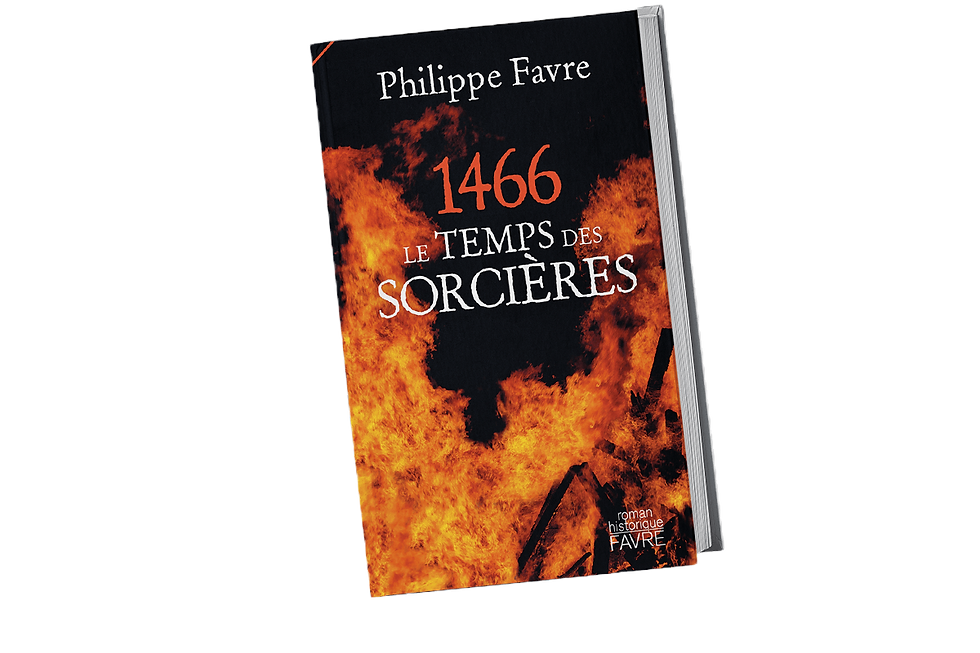
On Saturday, March 7, 2026, an immersive session titled Strix Vallis will take place at the Bibliothèque-Médiathèque Sierre (BMS), developed using the T3-Method – The Team Tale.
The scenario is inspired by the historical universe of the novel 1466 by Philippe Favre, a well-known Valais-based writer.
The experience does not reproduce the novel’s storyline; it is an independent scenario rooted in the same historical context, designed to explore social and moral dynamics of the 15th century.
What is the T3-Method?
The T3-Method – The Team Tale is a structured immersive narrative tool that integrates defined roles, clear objectives, group dynamics, and guided scenarios to transform cultural content into a participatory experience.
It is a methodological instrument applicable to education, historical dissemination, narrative design, and cultural mediation.
T3 enables the translation of literary, historical, or thematic content into structured experiential environments where participants become active agents within the narrative process.
Why This Project Matters for Cultural Mediation
Strix Vallis represents a concrete application of the T3-Method as a tool for cultural mediation within an institutional setting.
Through this experience:
a literary work becomes a starting point for dialogue;
historical content is transformed into shared experience;
participants engage actively in meaning-making;
narrative becomes a structured space for reflection and exchange.
In this context, cultural mediation occurs through a methodological framework that organizes narrative interaction.
Following the immersive session, a co-narrative text will be created based on the dynamics that emerge during the experience, generating an additional layer of cultural production.
The project demonstrates how the T3-Method can function as a structured bridge between literature, culture, territory, institutions, and audiences.


Comments